
Easy Korean Noodles with Beef
This post may contain affiliate links.


These Korean noodles with beef combine tender strips of steak, chewy egg noodles, and crisp vegetables in a sticky, sweet and spicy gochujang sauce. Ready in just 30 minutes, this easy stir-fry is packed with bold, savory flavor and makes a delicious weeknight dinner.

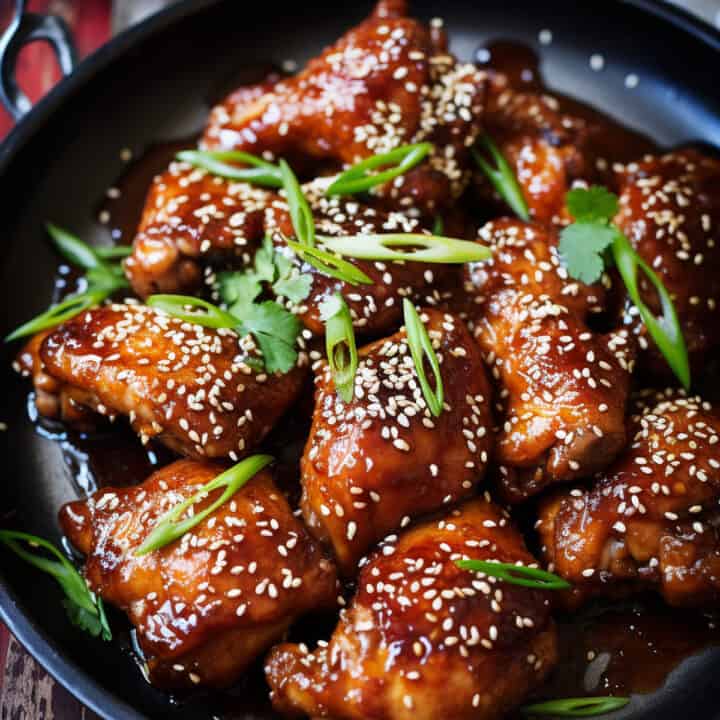
If you love quick, Asian-inspired dinners, try my sticky Asian chicken or Asian chicken noodle soup next. Both are great options when you’re craving something packed with flavor without spending hours in the kitchen.
Why this recipe works
Ingredients Required

- Beef: Use a tender, quick-cooking cut of steak, such as sirloin, and slice it thinly against the grain for the best texture.
- Egg noodles: Their chewy texture works beautifully with the sticky sauce. Cook until just tender to prevent them from becoming soft in the stir-fry.
- Vegetables: Add freshness, crunch, and color to balance the rich beef and sauce.
- Gochujang: Korean fermented chili paste gives the sauce its distinctive spicy, savory depth. Start with less if you prefer a milder stir-fry.
- Honey: Balances the heat of the gochujang and helps create a glossy sauce that coats the noodles.
- Rice vinegar: Adds acidity to balance the sweetness and richness.
- Fish sauce: Provides a deep, savory umami flavor without making the finished dish taste fishy.
See the recipe card at the bottom of the post for exact quantities and full instructions.
How to Make Korean Noodles with Beef

- Prepare the ingredients. Thinly slice the beef against the grain, julienne the carrot, and slice the bell pepper, mushrooms, and onion. Grate the fresh ginger so everything is ready for the wok.
- Cook the noodles. Boil the egg noodles in salted water until just al dente. Drain and set aside, taking care not to overcook them as they’ll finish cooking in the stir-fry.
- Mix the sauce. Whisk together the gochujang, honey, rice vinegar, and fish sauce until smooth. Set aside while you cook the beef and vegetables.

- Stir-fry the beef. Heat 1 tablespoon of vegetable oil in a large wok or skillet over medium-high heat. Season the beef with salt and pepper, then stir-fry until browned and cooked through. Remove from the pan and set aside.
- Cook the vegetables. Add the remaining oil to the same pan. Stir-fry the ginger, carrot, bell pepper, mushrooms, and onion until tender-crisp, keeping a little bite in the vegetables.
- Combine and serve. Return the beef to the pan with the cooked noodles and sauce. Toss over medium heat until everything is heated through and evenly coated. Finish with sesame seeds and sliced green onions.

Chef’s Guide: Expert Tips
Drawing on a decade of experience in Michelin-starred kitchens and Cordon Bleu training, I have compiled my top tips for recipe success.
- Slice the beef against the grain: Cutting across the muscle fibres helps keep the beef tender. Thin, even slices also cook quickly and consistently.
- Use a hot pan: Let your wok or skillet heat properly before adding the beef. Cook in batches if necessary to avoid overcrowding, which causes the meat to steam rather than brown.
- Don’t overcook the noodles: Cook them just until al dente. They’ll absorb some of the sauce when tossed in the wok, so slightly firm noodles give you the best texture.
- Adjust the gochujang to taste: Different brands vary in heat and sweetness. Start with a smaller amount if you’re sensitive to spice, then add more as needed.
- Keep the vegetables crisp: Stir-fry over medium-high heat and avoid cooking them until completely soft. A little crunch provides a lovely contrast to the tender beef and chewy noodles.
- Loosen the sauce if needed: If the noodles absorb too much sauce, add a splash of water and toss briefly until everything is glossy and evenly coated.
Storing & Reheating
- Fridge: Store leftover beef, noodles, and vegetables together in an airtight container in the refrigerator for up to 3 days. The noodles will continue to absorb the sauce as they sit.
- Reheating: Warm leftovers in a skillet over medium heat with a splash of water to loosen the sauce. Toss gently until piping hot throughout. Alternatively, microwave in short intervals, stirring between each.
- Make ahead: Slice the beef and vegetables and prepare the sauce up to 24 hours in advance. Refrigerate separately, then cook the noodles and assemble the stir-fry just before serving for the best texture.

FAQs
Yes. Sirloin, flank steak, or ribeye all work well. Whichever cut you choose, slice it thinly against the grain to keep the beef tender.
Sriracha mixed with a little miso paste is a reasonable alternative, although it won’t have quite the same fermented depth or sweetness. Start with a small amount and adjust to taste.
Absolutely. Rice noodles, udon, or even spaghetti will work. Cook according to the package instructions, keeping them slightly firm so they don’t become mushy when tossed with the sauce.
Start with half the gochujang and taste the sauce before adding more. You can also increase the honey slightly to balance the heat, although this won’t completely remove the spiciness.
Yes, chicken, shrimp, pork or tofu can be excellent substitutes for beef in this recipe.


Easy Korean Noodles with Beef
Ingredients
- 8 ounces egg noodles
- 1 pound sirloin or ribeye steak, thinly sliced
- 3 tablespoons gochujang, Korean chili paste
- 2 tablespoons honey
- 1 tablespoon rice vinegar
- 2 tablespoons fish sauce
- 1 tablespoon fresh ginger, grated
- 1 medium carrot, julienned
- 1 red bell pepper, thinly sliced
- 1 cup mushrooms, sliced
- 1 medium onion, sliced
- 2 tablespoons vegetable oil, divided
- Salt and black pepper, to taste
- Sesame seeds and sliced green onions, for garnish
Instructions
Prepare the Noodles and Sauce
- Cook the noodles: Cook the egg noodles according to the package instructions until al dente. Drain and set aside.
- Mix the sauce: In a small bowl, whisk together the gochujang, honey, rice vinegar, and fish sauce until smooth. Set aside.
Stir-Fry the Beef and Vegetables
- Cook the beef: Heat 1 tablespoon of vegetable oil in a large skillet or wok over medium-high heat. Season the beef with salt and pepper, then stir-fry until browned and cooked through. Remove from the pan and set aside.
- Cook the vegetables: Add the remaining tablespoon of oil to the same pan. Add the ginger, carrot, bell pepper, mushrooms, and onion. Stir-fry until the vegetables are tender-crisp.
Combine and Serve
- Add the beef and noodles: Return the beef to the pan with the vegetables. Add the cooked noodles and prepared sauce.
- Toss together: Stir-fry over medium heat until everything is heated through and the noodles are evenly coated in the sauce.
- Serve: Divide between bowls and garnish with sesame seeds and sliced green onions.
Notes
- For tender beef: Place the steak in the freezer for 15–20 minutes before slicing. This makes it easier to cut thin, even strips against the grain.
- Adjust the spice level: Gochujang varies in heat between brands. For a milder sauce, start with 1 tablespoon instead of 3, then add more to taste.
- Noodle substitutions: Egg noodles work well, but you can also use udon, rice noodles, or Korean sweet potato glass noodles. Cook according to the package instructions before adding to the stir-fry.
Nutrition
If you tried any of these recipes, please let me know in the comments below, and leave a star rating while you’re there!
For more recipe ideas, follow us on Pinterest, Facebook, and Instagram!
You can also find weekly meal plans and budget recipes on our sister site Savvy Bites.

Meet the Chef!
Hi, I’m Debs, a Cordon Bleu-trained chef and recipe developer. I help you get incredible dinners on the table fast with fool-proof recipes, step-by-step instructions, and tips and tricks I’ve learned over a 10-year career in professional kitchens.


Good but way too spicy as written for our family, Even with only one and a half tablespoons of gochujang paste …. Next time I will probably do 3/4 tablespoon of the gochujang paste
Spice is such a personal preference. I guess I like it on the hotter side! Hope you try it again and tone down the heat to suit your taste. Thank you so much for taking the time to leave a comment. It’s so appreciated! 🙂
I’ve made this several times and I love the sauce, the fish sauce gives it a real depth. I’ve used it for leftover chicken and beef and it is so simple but tasty, and the flavours are not like your average noodles. Thanks for the recipe
So happy you’ve been able to use the sauce for other recipes, too! Thank you so much for taking the time to leave a comment and a rating. It’s so appreciated. 🙂
Made this last night, it was really good. I used ground beef since I didn’t have any steak. Did a quick soy/garlic/sugar/sesame marinade on it.
Will def make again! Thank you
That’s awesome Simon! Your version sounds soooo good!
Everything about this stir-fry sounds amazing, so much depth in flavors…this is excellent